
Body Mass Index (BMI) Calculator
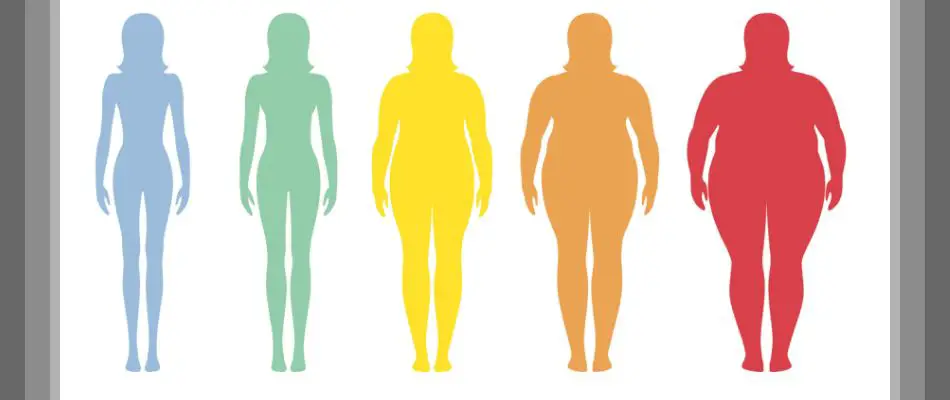


Body Mass Index (BMI) is a way to measure your weight and check if it is healthy for your height. You can estimate your body fat through your BMI score. The BMI calculator helps calculate your BMI score.
This calculator is not a diagnostic tool but an indicator of your overall health. Based on a scale, it can give an idea of the health problems you may develop.
What is the BMI calculator, and what does it calculate?
The BMI calculator is a tool that will calculate your BMI score based on two data inputs: your weight and height. The underlying formula used by the calculator is
BMI= (Weight in kilogram)/ (Height in M) x (Height in M)
Or
BMI= (Weight in lb.)/ (Height in inches x Height in inches)) x 703
The only thing you have to keep in mind is to use the same unit system for both inputs.
What are the units used in the calculation of BMI?
The units of weight used in the calculator are kilograms or pounds. A kilogram is a unit of weight, approximately equivalent to 2.205lb and 1000 cubic centimeters (cm) of water.
According to the imperial system, a pound is a weight measurement unit equal to about 0.45359237 kgs.
The units of height used in the calculator are meters or inches. A meter is a standard unit of length measurement in the metric system, approximately equivalent to 3.2 feet.
As per the imperial system, an inch is a unit used to measure length approximately equivalent to 2.54 centimeters.
How to use the BMI caculator?
Based on the inputs you provide, the BMI calculator will give your BMI score. The scores are categorized into five BMI statuses based on a range. These are underweight, normal, overweight, obesity, and severe obesity.
For children and young adults up to age 20, though the BMI score will be based on the same formula, the results are subject to age and gender-related interpretation.
BMI values
The BMI Score categoriation is as follows:
| Weight Status | Underweight | Normal | Overweight | Obesity | Severe Obesity |
| BMI | Below 18.5 | 18.5-24.9 | 25-29.9 | 30-30.9 | 40 and above |
Also Check: BMI Chart | Ideal Body Weight Calculator | Homeopathic Medicine for Weight Loss | Recommended Calorie Intake Calculator | Calculate Body Fat Percentage | Calories Burned Calculator | Calories Intake Calculator | Weight Loss Calculator
Health implications
The following health implications are observed based on your BMI and weight:
● Normal
Despite a normal BMI score, there may be certain implications that may affect health. Focus on overall well-being by consuming a balanced diet, exercising regularly, and maintaining a healthy lifestyle.
● Underweight
An individual is underweight with a BMI of less than 18.5. This can happen if the weight is less than the height in proportion. For example, an individual weighing 55 kgs and having a height of 1.8 meters has a BMI of 16.98, making him underweight.
The following health implications are common with being underweight:
1. Nutrient deficiency due to insufficient minerals, vitamins, and essential nutrition intake leads to health problems like dysfunction of organs and physiological processes.
2. Deceased muscle mass is due to inadequate calorie intake, causing muscle shrink and muscle strength reduction. It will affect physiological performance and increase the risk of injury.
3. A weakened immune system due to malnutrition will cause the body to be more susceptible to infections and illnesses.
4. Impaired bone health due to lack of calcium and vitamin D will compromise bone density, increasing the chances of osteoporosis (bone porosity), and fracture.
5. Fatigue and weakness result from low energy levels as the calorie intake is inadequate.
6. Delayed wound healing occurs in the body due to malnutrition.
7. Difficulty in maintaining body temperature due to lack of body fat leads to cold sensitivity.
Overweight, obesity, and severe obesity
The BMI range for overweight, obesity, and severe obesity are from 25 to 40 and above. This may arise due to an individual having a higher weight-to-height proportion. For example, a person with a weight of 70 kgs and a height of 1.6 meters has a BMI of 27.34, making them overweight.
The medical risks with these categories of BMI increase and include the following;
1. Heart and blood vessel disease are risk factors associated with increased weight. It can lead to heart disease, hardening of the arteries (atherosclerosis), and increased blood pressure (hypertension).
2. Obesity, especially belly fat, can make it more likely to get type 2 diabetes. It happens because it can cause problems with insulin, the hormone that helps our body to use sugar as energy.
3. Respiratory issues occur due to excess weight, like snoring (sleep apnea), and increased risk of asthma.
4. Extra weight stresses the joints, particularly the knees and hip, causing joint inflammation (osteoarthritis) and joint pain.
5. The association between obesity and cancer is not as straightforward as that of diabetes, but obese individuals have shown an increase in ovarian, prostate, breast, and colorectal cancer.
6. Non-alcoholic fatty liver disease (NAFLD) is a condition where excess fat builds up in the liver. It is common in individuals who are overweight and obese. It can lead to liver inflammation and, in severe cases, cirrhosis (healthy liver tissue is replaced by scar tissue, causing various complications).
7. Gastrointestinal issues like gastroesophageal reflux disease (GERD) and gallbladder disease, tend to increase with obesity.
8. Polycystic ovary syndrome (PCOS) occurs in women who experience irregular periods, have acne, and find it difficult to get pregnant. Hormonal changes in men occur due to obesity.
9. Individuals who are overweight and obese may face discrimination and social stigma, leading them to depression, anxiety, and low self-esteem.
10. Fertility in both men and women is reduced due to obesity, making conceiving difficult.
11. Individuals who are overweight and obese may have complications during and after surgery.
A BMI calculator is a helpful tool to monitor your overall health. It provides a window into your body’s normal functioning. Ensure your BMI score is within the normal range through a balanced lifestyle of diet and exercise. Use the BMI calculator to your benefit and lead a healthier life without any worry.
References
https://www.cdc.gov/healthyweight/assessing/bmi/index.html
https://www.britannica.com/science/kilogram
https://www.britannica.com/science/pound-unit-of-weight
https://study.com/academy/lesson/what-is-a-meter-definition-conversion.html
https://dictionary.cambridge.org/dictionary/english/inch
https://www.nhsinform.scot/healthy-living/food-and-nutrition/healthy-eating-and-weight-loss/body-mass-index-bmi/
https://www.healthdirect.gov.au/what-to-do-if-you-are-underweight#:~:text=If%20you%20are%20underweight%2C%20you,who%20are%20a%20healthy%20weight.
https://www.hsph.harvard.edu/obesity-prevention-source/obesity-consequences/health-effects/